
The History of Street Food Culture: From Ancient Stalls to Modern Markets
Food culture has been shaped by street food for thousands of years. From its origins in ancient times to the vibrant markets we see today, street food has grown in popularity for its taste, affordability, and convenience.
Looking into the history of street food shows how it has changed. It’s been influenced by cultural and economic changes. Now, street food is a lively part of cities worldwide.
To explore more fascinating travel guides, cultural insights, and tips from around the world, visit our home page at VisitGlobalTrip and continue your journey through the best destinations, experiences, and local traditions.
Key Takeaways
- The concept of street food dates back to ancient times.
- Street food has evolved significantly over the centuries.
- Cultural and economic factors have shaped the street food industry.
- Modern street food markets offer a diverse range of cuisines.
- Street food continues to be a popular and affordable dining option.
The Timeless Appeal of Street Food Through History
For centuries, street food has been a key part of city life. It gives people on-the-go the food they need and brings them together. Today, you can feel the lively vibe of street food markets. The air is filled with the smells and tastes of local dishes.
Why Street Food Has Endured for Millennia
Street food has lasted because it’s convenient, full of flavor, and builds community. It’s a culinary tradition that has been passed down through generations. Each vendor brings their own special touch to classic recipes. You can find street food vendors all over the world, serving dishes that are both new and familiar.
Street Food as a Window into Cultural Identity
Street food also shows a community’s cultural identity. The dishes and ingredients used in street food often tell a story about the local culture. Exploring street food gives you a peek into a place’s cultural heritage. It makes culinary tourism even more interesting.
The Origins of Street Food in Ancient Civilizations
Exploring street food’s origins takes us back to ancient times. It was a key part of city life, feeding people in many cultures.
Street Food in Ancient Rome and Greece
In ancient Rome and Greece, street food was everywhere. Thermopolia, or fast food spots, were common. They served dishes like defrutum (a sweet fruit syrup) and bread.
Thermopolia: The First Fast Food Restaurants
Thermopolia were the first fast food places. They offered quick meals for busy people.
Early Street Food Vendors in China and India
In ancient China and India, street food vendors were key. They sold everything from noodles to spicy snacks.
Street Food in Ancient Egypt and Mesopotamia
Street food in ancient Egypt and Mesopotamia was diverse. It included flatbreads, stews, and roasted meats. These vendors were essential for feeding the people.
Some popular street foods back then were:
- Flatbreads
- Roasted meats
- Stews
- Noodles
- Fresh fruits
The influence of these early vendors is seen in today’s global cuisine. Many modern dishes have roots in these ancient times.
Medieval Street Food: Feeding the Masses
Street food vendors were key in medieval times. They fed the growing cities. As towns grew, people needed quick, cheap meals, making street food vital.
European Market Squares and Food Stalls
European market squares were lively. Food stalls offered a wide range of dishes. You could find roasted meats and fresh bread, for all tastes and wallets.
Street Food During Festivals and Religious Celebrations
At festivals and religious events, street food vendors were essential. They made special dishes that showed local traditions. You might have tried traditional medieval treats like fruit pies or spiced ale.
The Role of Guilds in Regulating Street Food Quality
Guilds played a big role in keeping street food quality high. They set regulations to ensure vendors met standards. This protected consumers from bad food.
Some key rules included:
- Quality control of ingredients
- Standardization of prices
- Sanitation practices
These rules built trust between vendors and customers. They helped the street food scene thrive.
Street Food Along the Silk Road: Cultural Exchange Through Cuisine
The Silk Road was a network of ancient trade routes. It played a big role in shaping street food across continents. Merchants and travelers carried goods and culinary traditions, leading to a rich cultural exchange.
How Trade Routes Spread Culinary Traditions
The Silk Road helped exchange ingredients, cooking techniques, and dishes. For example, noodles from China made their way to the Middle East and Mediterranean. This greatly influenced local cuisines.
Spices and seasonings from India and Southeast Asia also spread. They enriched the flavors of street foods in Asia and Europe.
Fusion Foods Born from Cultural Intersections
As cultures met along the Silk Road, new fusion foods were born. Dumplings have a fascinating global journey.
The Birth of Dumplings and Their Global Journey
Dumplings started in China and spread to other parts of Asia and beyond. They adapted to local tastes and ingredients. For example, Chinese potstickers, Japanese gyoza, and Korean mandu all come from Chinese dumplings.
This shows how street food along the Silk Road is dynamic.
| Region | Dumpling Variation | Key Ingredients |
|---|---|---|
| China | Potstickers | Pork, ginger, soy sauce |
| Japan | Gyoza | Pork, garlic, cabbage |
| Korea | Mandu | Kimchi, tofu, pork |
Colonial Influences on Global Street Food
Colonial times have greatly influenced street food. They mixed old flavors with new ingredients and ways of cooking. This mix is seen in many street foods we love today.
Transforming Indigenous Food Practices
European rule changed how people cooked and ate. For example, the Spanish conquest of Mexico brought in pork, chicken, and beef. These were added to traditional dishes, making them taste new and exciting.
The Emergence of Iconic Fusion Street Foods
New street foods were born from mixing different cooking styles. These dishes show off the rich culture of their places of origin. They also highlight the creativity of street food makers.
Tacos, Banh Mi, and Other Colonial-Era Innovations
Tacos and Banh Mi are great examples of this mix. Tacos got a Spanish twist from the Spanish. Banh Mi, a Vietnamese sandwich, uses a French baguette with local touches. These colonial-era innovations are now key parts of their cultures, showing how colonialism has shaped street food globally.
Street Food and Immigration: How Migration Patterns Shaped Food Culture
Street food’s history is closely linked to immigration. People carried their cooking traditions to new places. This is why many street foods have roots in immigrant communities.
Ellis Island to Food Carts: Immigrant Influence on American Street Food
Immigrants coming to the U.S. through Ellis Island shared their food ways. These traditions are now big parts of American street food. You can see this in the many food carts in cities like New York.
Hot Dogs, Pretzels, and the New York Food Cart Legacy
German immigrants brought hot dogs and pretzels to America. These foods are now key in city street food. They show how immigrant food has shaped local tastes.
How Diaspora Communities Preserved Culinary Heritage
Diaspora groups kept their cooking alive by changing recipes for new places. Chinese, Mexican, and Italian communities did this. They used local ingredients while keeping their traditions.
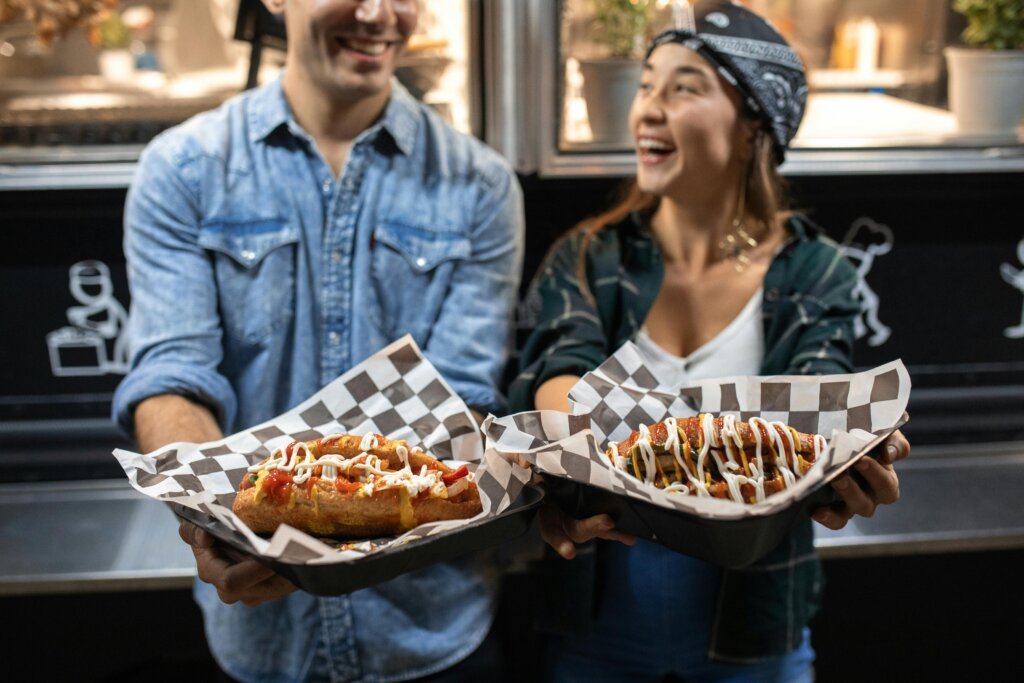
This mix of cooking styles made the culture of their new homes richer. It also helped create the diverse street food scene we love today.
The Industrial Revolution: Street Food in Growing Urban Centers
The Industrial Revolution changed cities a lot. Street food became a big part of city life. Cities grew fast, and people needed quick, cheap meals.
Factory Workers and the Need for Quick, Affordable Meals
Factory workers had little time for lunch. They turned to street food vendors for food. These vendors had dishes that were cheap and easy to eat.
The Rise of Food Carts in Industrial Cities
In industrial cities, food carts were everywhere. They met the needs of factory workers. They were easy to move, reaching more people.
Lunch wagons were early versions of today’s food trucks. They were mobile kitchens, serving meals to workers on the move.
- They were affordable and convenient.
- They offered a variety of menu options.
- They were precursors to the modern food trucks seen in cities today.
The Industrial Revolution greatly influenced street food in cities. It helped create the diverse and lively street food scenes we enjoy today.
Street Food During Wartime and Economic Hardship
Street food has a long history tied to conflict and economic hard times. When economies fell and wars broke out, street vendors stepped up. They provided food to communities in dire need.
How World Wars Transformed Street Food Offerings
World Wars changed street food a lot. Vendors started making bigger, more filling meals. This was for workers and soldiers at home.
In cities like New York and London, street food became a key source of nutrition.
Rationing and creativity were key in wartime street food. With many ingredients hard to find, vendors got creative. They made dishes that are loved today.
Depression-Era Street Food Innovation and Resilience
The Great Depression was tough for street food vendors. With jobs scarce, people looked to street food for affordable meals. Vendors offered simple, cheap foods.
Street food during this time was all about resourcefulness. Vendors used scraps and leftovers to make meals that were both nourishing and affordable.
Rationing’s Impact on Street Food Ingredients
Rationing during wars and other times had a big impact on street food. It led to new recipes and ways of cooking. Vendors used what little they had to make tasty meals.
| Period | Common Street Foods | Key Ingredients |
|---|---|---|
| World War I | Soup, bread, simple sandwiches | Vegetables, bread, occasional meat |
| Great Depression | Soup, bread, fried dough | Flour, water, occasional vegetables |
| World War II | Rationed sandwiches, vegetable dishes | Rationed meat, vegetables, bread |
The Post-War Boom: Fast Food vs. Traditional Street Vendors
After World War II, street food changed a lot. People’s tastes and new tech changed how we eat on the go.
The Rise of Standardized Fast Food Chains
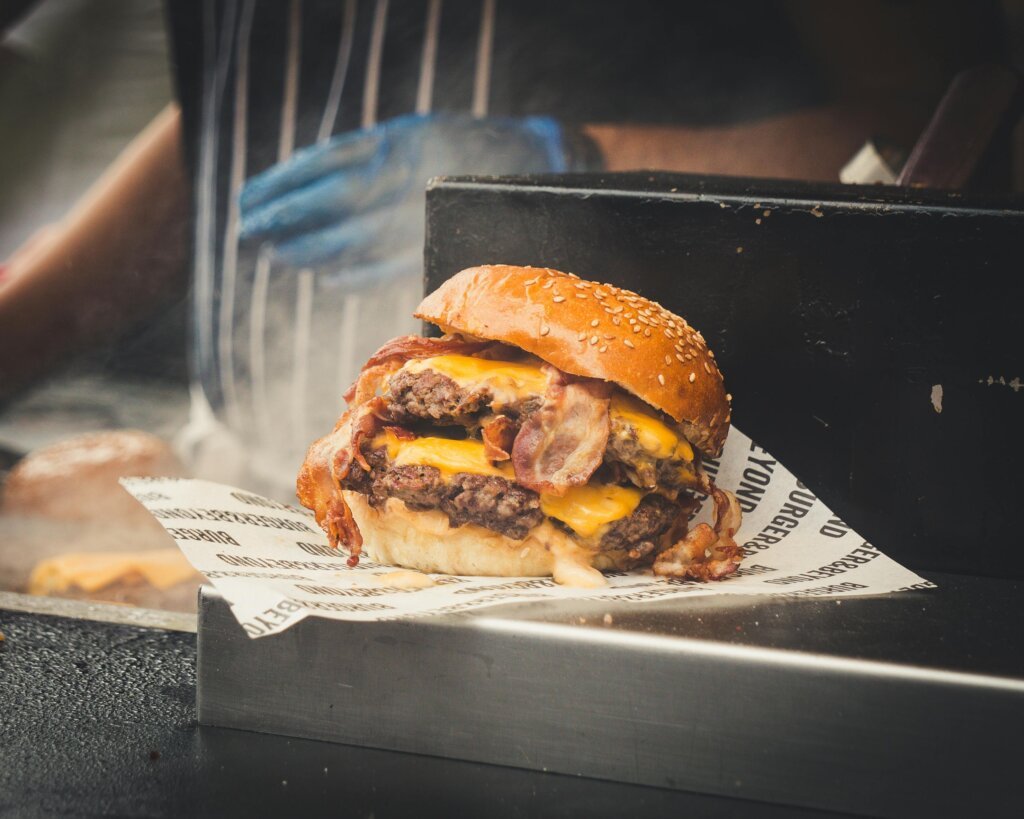
Standardized fast food chains started to pop up after the war. McDonald’s led the way with quick, cheap, and consistent meals. These fit the busy lives of the growing middle class perfectly.
These chains brought new ideas like assembly lines and drive-thrus. They also used big marketing to draw in lots of people. So, fast food became a big part of city life, making street vendors rethink their game.
How Traditional Street Vendors Adapted to Changing Tastes
Street vendors had to get creative to keep up with fast food. They started mixing fast food ideas into their menus but kept their cultural roots.
Some vendors stuck to traditional recipes and cooking ways. They offered real, homemade tastes. Others used new marketing and social media to find more customers.
The Birth of Modern Food Trucks in America
In the late 20th century, modern food trucks came to America. They mixed street food’s flexibility with gourmet food’s appeal. Chefs could try new things and meet customers in different places.
The food truck scene really took off in the early 2000s. Cities like Los Angeles and New York became hotspots for street food. This movement made city food scenes lively again and helped new vendors succeed.
Street Food in the Digital Age: Social Media and Food Tourism
The digital age has changed street food forever. Now, people find, enjoy, and share street food in new ways thanks to social media and food tourism.
Changing the Game with Social Media
Instagram and TikTok are key for street food vendors today. Visual appeal is essential to attract customers. Vendors create Instagram-worthy moments to draw in crowds.
Social media lets vendors market to more people. They share images and videos of their dishes. This brings in food lovers from all over, helping vendors grow their businesses.
The Rise of Food Tourism
Food tourism is big now, with people looking for real culinary experiences. Street food is at the center of this, giving visitors a taste of local culture. Food tourism helps vendors and boosts the local economy.
Travelers want authentic experiences. Street food vendors meet this demand by keeping traditional recipes and innovating for different tastes.
Online Food Delivery’s Impact
Online food delivery has changed street vendors. Some vendors have welcomed this change, while others face challenges. Online food delivery lets vendors reach more customers, but it also changes the street food experience.
This shift raises concerns about losing the street food experience. As you explore street food, think about how digital trends are shaping it.
Modern Street Food Movements: From Gourmet Food Trucks to Night Markets
Street food culture is getting a new life. This is thanks to gourmet food trucks, night markets, and street food festivals. These trends keep traditional cooking alive but also make it new and exciting for today’s tastes.
The Gourmet Food Truck Revolution in American Cities
Gourmet food trucks have changed how we eat in cities. They serve everything from classic Mexican dishes to creative new ones. Their success comes from serving tasty, affordable food in easy-to-find spots.
Revival of Night Markets in Urban Centers
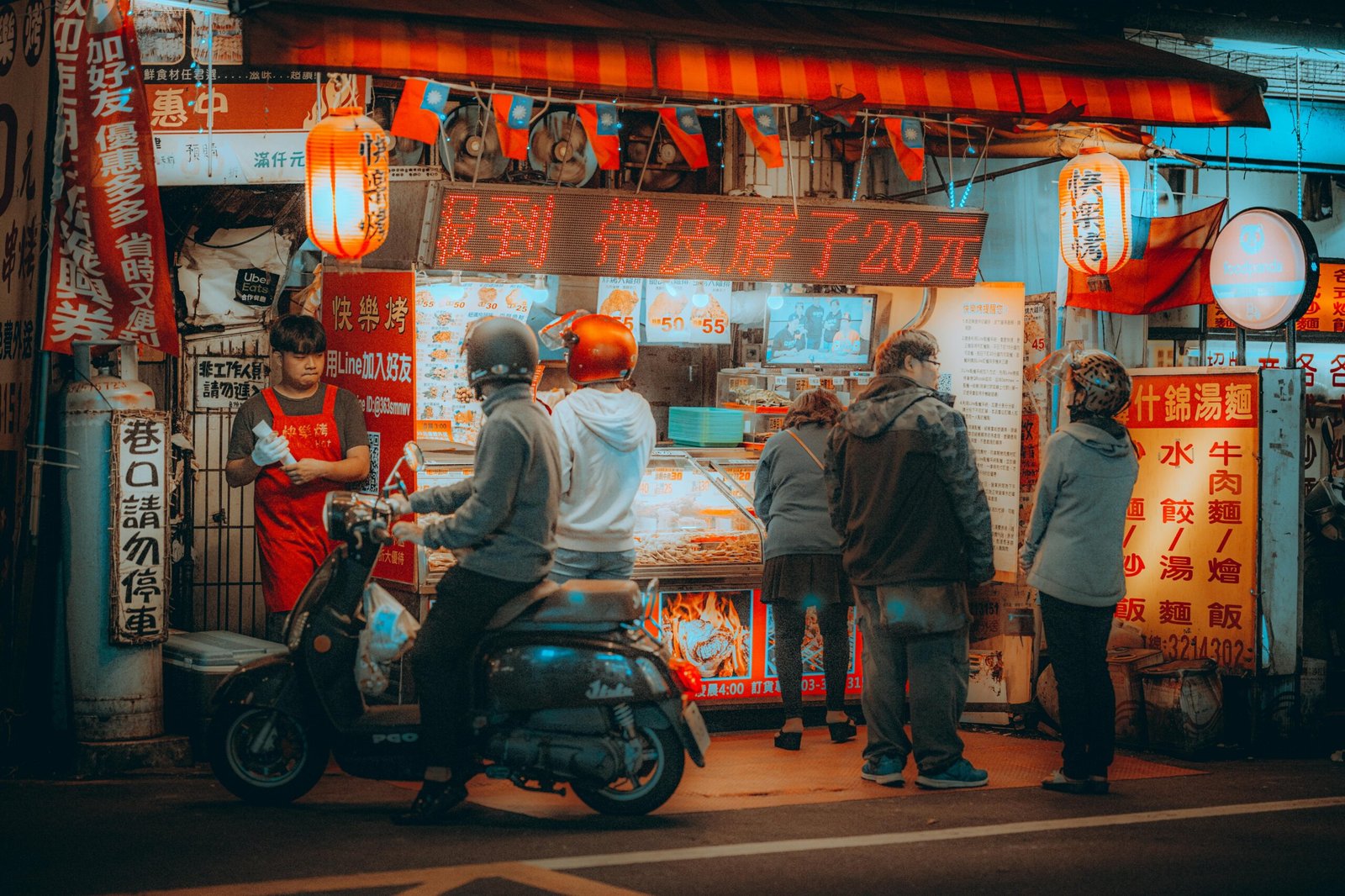
Night markets are back in cities, and they’re lively. They’re places where you can try lots of street food. These markets are not just for food; they’re also cultural spots that keep traditions alive and introduce new tastes.
Street Food Festivals and Their Role in Preserving Food Culture
Street food festivals are key in celebrating food culture. They gather vendors with different backgrounds, showing off traditional and new street foods. These festivals help keep food traditions alive while encouraging new ideas.
| Feature | Gourmet Food Trucks | Night Markets | Street Food Festivals |
|---|---|---|---|
| Cuisine Variety | Specialized, often fusion cuisine | Diverse, traditional, and modern | Wide range, showing local and international tastes |
| Atmosphere | Mobile, often in busy urban areas | Vibrant, bustling with activity | Festive, celebratory atmosphere |
| Cultural Impact | Innovative, introducing new flavors | Preserves heritage, cultural significance | Celebrates culinary diversity, fosters community |
In conclusion, modern street food trends are changing how we enjoy food in cities. Whether it’s through gourmet trucks, night markets, or festivals, these movements are making food more exciting. They also help keep food culture alive for the future.
Conclusion: The Enduring Legacy of Street Food in Global Food Culture
Street food has a deep impact on global food culture. It has shaped culinary heritage from ancient times to today. Exploring street food in cities worldwide lets you see this legacy up close.
Street food brings people together, crossing cultural lines. Whether at a night market or a food truck, you join a centuries-old tradition. It’s a way to connect through food.
Street food keeps evolving, yet it holds onto traditional tastes and methods. This mix of old and new makes it appealing. By enjoying street food, you support a key part of global food culture and culinary heritage.