
What’s the best time of the year to visit Japan
Did you know Japan’s culture changes with the seasons? From cherry blossoms in spring to autumn foliage, each season is unique. Knowing these changes is key to a great trip.
When planning your trip, knowing the best time to visit Japan is important. Whether you want to see festivals, enjoy outdoor activities, or try local food, the right time makes a big difference. We’ll look at each season to help you choose the best time to go.
Key Takeaways
- Japan has four distinct seasons, each with its own charm.
- The cherry blossom season is a favorite among visitors.
- Autumn foliage is another peak time for travelers.
- Understanding the seasons helps plan your trip better.
- Considering the best time to visit Japan in 2026 can make your trip even better.
Understanding Japan’s Four Distinct Seasons
Japan is famous for its four seasons, each with its own charm. The country’s varied geography means different climates and seasons across the land.
How Seasonal Changes Affect Your Travel Experience
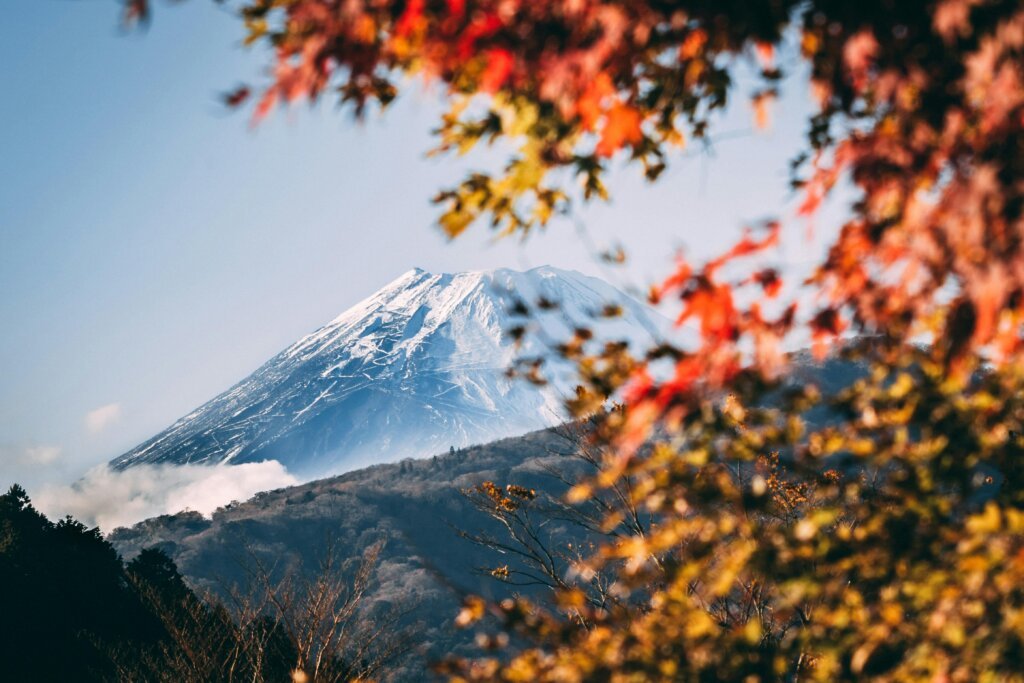
Seasonal changes in Japan greatly shape your travel. Spring is known for its cherry blossoms. Autumn offers stunning foliage. Summer is great for beaches and festivals. Winter is perfect for skiing and hot springs.
Knowing these highlights helps you plan your trip. You can pick activities and events that match your interests.
Regional Climate Variations Across Japan
Japan’s climate changes a lot from north to south. Hokkaido in the north is cold in winter and cool in summer, great for skiing. Okinawa in the south has a warm climate all year, perfect for beaches.
Honshu, home to Tokyo and Kyoto, has a temperate climate. It has clear seasons. Knowing these regional climate variations helps you pack right and choose the best places to visit.
By thinking about these factors, you can find the best time to visit Japan for your interests.
The Best Time to Visit Japan: Season by Season Overview
The best time to visit Japan depends on the weather, crowd levels, and prices. Each season brings its own changes. Knowing these can help you plan a great trip.
Optimal Weather Windows
Japan has four seasons, each with its own climate. Spring (March to May) and autumn (September to November) are the best times to visit. They offer mild weather and beautiful sights.
Spring is famous for cherry blossoms, while autumn is known for its colorful leaves. Summer is hot and humid, and winters are cold, mainly in the north. Knowing the weather helps you pack and choose activities.
Crowd Levels Throughout the Year
Crowds in Japan change with the seasons. Peak travel seasons are spring and autumn. These times are busy, with many festivals and events.
Summer is popular for beach activities but can be less crowded in some places. Winters are quiet, except for ski resorts and hot springs.
Price Considerations by Season
Prices in Japan change with the seasons. Peak seasons (spring and autumn) have higher prices. Booking early can help you save.
Off-peak seasons, like winter and summer, might be cheaper. Being flexible with your travel dates can also save money.
Spring in Japan: Cherry Blossom Season
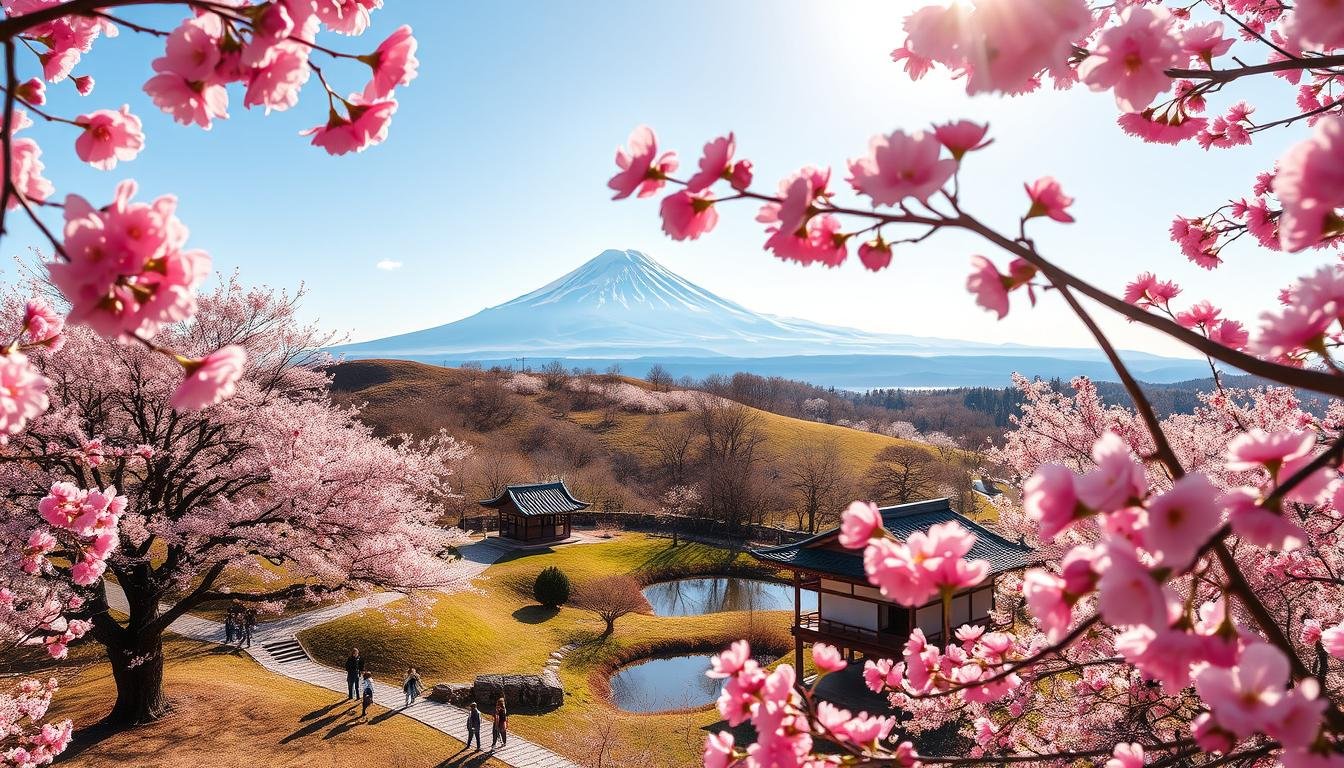
When spring comes to Japan, the cherry blossoms start to bloom. This creates a beautiful scene that draws millions of people every year. The cherry blossom season, or sakura in Japanese, marks the start of spring and new life.
Peak Sakura Viewing Times by Region
The cherry blossoms bloom at different times in different parts of Japan. They usually bloom for about two weeks. But, the exact time depends on the weather.
- In the southern islands, blooming starts in late March.
- In Tokyo and nearby, the blossoms peak in late March to early April.
- In Hokkaido, the northernmost island, they bloom in early to mid-May.
Northern vs Southern Japan Bloom Differences
The bloom times vary between northern and southern Japan because of the climate. Southern Japan is warmer, so the blossoms bloom earlier. In northern Japan, the colder weather makes the blossoms bloom later.
Popular Cherry Blossom Festivals and Events
Many festivals and events happen during the cherry blossom season in Japan. Some of the most famous ones are:
- Ueno Cherry Blossom Festival in Tokyo.
- Maruyama Park Cherry Blossom Festival in Kyoto.
- Hirosaki Cherry Blossom Festival in Aomori.
Spring Weather Conditions and What to Pack
Spring weather in Japan is usually mild, with temperatures between 10°C and 20°C. But, it can also rain and get cooler in the mornings and evenings. When visiting Japan for the cherry blossoms, pack:
- Lightweight clothes for the warmer days.
- Layers for the cooler mornings and evenings.
- Waterproof gear for unexpected rain.
Summer in Japan: Festivals and Outdoor Adventures
When summer hits Japan, the country buzzes with life. Festivals and outdoor fun fill the air. Visitors from everywhere flock to join in.
Major Summer Festivals Worth Planning Around
Summer in Japan means colorful festivals. Some top events include:
- Gion Matsuri in Kyoto
- Tenjin Matsuri in Osaka
- Awa Odori in Tokushima
Dealing with Heat, Humidity, and Rainy Season
Summer in Japan gets very hot and humid. Temperatures soar over 35°C (95°F). The rainy season, or “tsuyu,” hits in June and July. To beat the heat, stay hydrated and find cool spots during the day.
Summer Activities: Hiking, Beaches, and Mountain Retreats
Summer is perfect for outdoor fun in Japan. You can:
- Hike in the Japanese Alps
- Hit the beaches in Okinawa
- Check out mountain retreats in Nagano
Escaping the Urban Heat in Rural Japan
Want to get away from city heat? Rural Japan is cooler and calmer. Visit the mountains or countryside for a taste of traditional rural life and cooler temperatures.
Fall in Japan: Autumn Colors and Comfortable Weather
Fall in Japan brings vibrant colors and mild temperatures. It’s the perfect time to see the country’s natural beauty. The landscape changes into a colorful mix of autumn hues, attracting visitors worldwide.
Best Locations for Viewing Fall Foliage
Japan has many stunning places for fall foliage viewing. Some top spots include:
- Nikko National Park, famous for its bright maple trees
- Kyoto’s Arashiyama Bamboo Grove, which glows golden in autumn
- Hokkaido’s countryside, with its peaceful fall colors
Autumn Festivals and Cultural Events
Autumn in Japan is more than just colors. It’s also a time for autumn festivals and cultural events. Highlights include:
- Chrysanthemum festivals, celebrating these flowers
- Harvest festivals, thanking the gods for the season’s harvest
- Traditional tea ceremonies, showing Japan’s cultural heritage
October-November Weather Expectations
The weather in October and November is comfortable. Temperatures range from 10 to 20 degrees Celsius. This is great for outdoor activities like hiking and sightseeing.
When planning your trip to Japan in fall, remember to pack layers. The temperature can change a lot between day and night. Enjoy the comfortable weather and Japan’s beautiful autumn landscapes.
Winter in Japan: Snow, Skiing, and Hot Springs
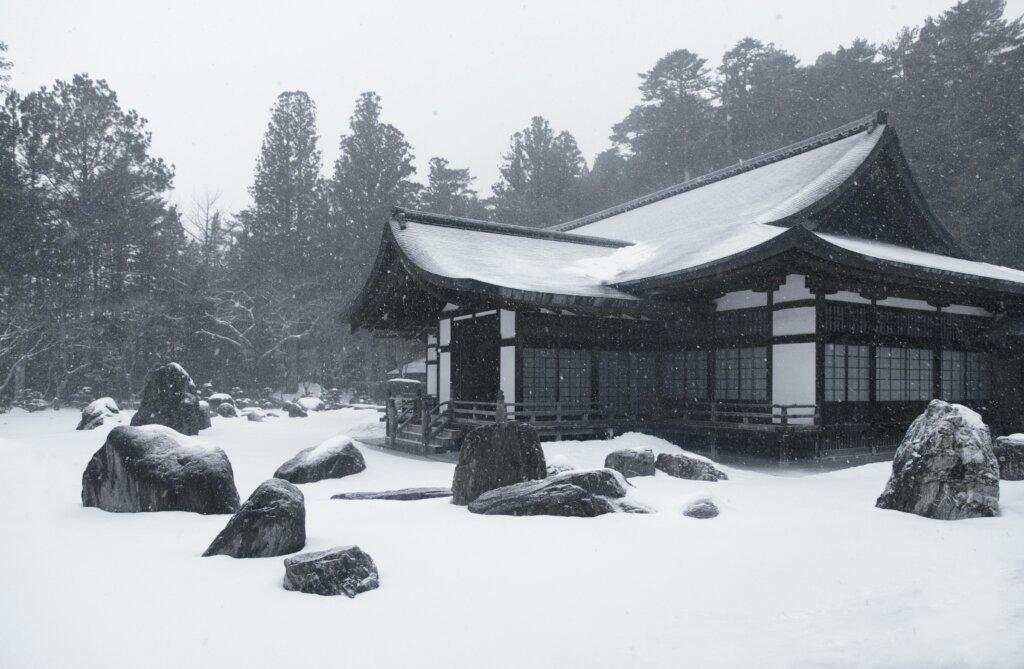
Japan in winter is a feast for the senses. It offers snow festivals, top-notch skiing, and soothing onsen experiences. The cold weather turns the Japanese landscape into a peaceful and beautiful place.
Japan’s Premier Ski Resorts and Winter Sports
Japan is famous for its ski resorts, known for the best powder snow. Places like Niseko in Hokkaido and Hakuba Valley in Nagano are top spots for skiing and snowboarding. They have slopes for all, from newbies to pros.
Winter Illuminations and Snow Festivals
Winter in Japan brings beautiful illuminations and snow festivals. The Sapporo Snow Festival is a big hit, drawing millions yearly. Cities across Japan light up, creating a magical feel.
Enjoying Onsen Culture in Cold Weather
Soaking in a hot spring (onsen) on a cold day is special. Japan’s many onsen resorts are perfect for warming up and refreshing. Many ryokan (traditional Japanese inns) are close to onsen, giving a real experience.
Ryokan Experiences in Winter
Staying at a ryokan in winter is unique. You can have a traditional Japanese dinner, relax in a hot spring, and sleep on futon bedding. Some ryokan have private onsen baths, making your stay romantic and unforgettable.
Best & Worst Time to Visit Japan 2026/2027
Planning a trip to Japan in 2026 or 2027? Knowing the best and worst times to visit is key. Japan’s cultural calendar and seasonal changes affect the experience.
Anticipated Events and Festivals for 2026
Japan’s festivals and events are lively. In 2026, look out for the Cherry Blossom Festival, Golden Week, and the Gion Matsuri in Kyoto. These events draw big crowds, so plan early.
Cherry Blossom Festival is a big attraction. Hanami parties happen nationwide. The timing varies by region but usually falls in late March to early April.
Projected Tourism Trends for 2026-2027
Tourism in Japan is set to grow, focusing on unique experiences and cultural dives. Expect more interest in rural areas and cultural experiences.
- Experiential travel packages
- Cultural workshops and classes
- Eco-tourism initiatives
Dates to Mark on Your Calendar
Mark national holidays and major festivals on your calendar. These times are busy, so book early.
Upcoming Infrastructure Improvements
Japan is upgrading its transport, with big projects for 2026 and 2027. These will make traveling easier.
Keep an eye on infrastructure updates before your trip. This way, you’ll know about any changes or new projects.
Best Time to Visit Japan with Family
Planning a trip to Japan with your family? Knowing the best time to go is key for a smooth trip. Japan’s seasons offer many fun activities for kids and adults alike.
Child-Friendly Seasons and Activities
Spring and autumn are great, with nice weather for outdoor fun. Cherry blossom viewing in spring is a must-see. Autumn brings stunning leaves.
Summer is perfect for beach fun and water parks. But, it can get really hot and humid.
- Spring: Cherry blossom viewing, family-friendly festivals
- Summer: Beach activities, water parks, and outdoor adventures
- Autumn: Foliage viewing, comfortable temperatures for hiking
- Winter: Skiing, snowboarding, and hot springs
School Holiday Considerations
Japan’s school breaks are in late March and late July to August. If your kids are in school, these times might work best for your trip.
Family-Oriented Festivals and Attractions
Japan has many family-friendly festivals and spots all year. Don’t miss Golden Week in late April to early May and the Star Festivals (Tanabata) in July.
Places like Tokyo Disneyland, Universal Studios Japan, and aquariums are great for families.
How to Visit Japan: Practical Travel Planning
To enjoy your trip to Japan, knowing how to plan your travel is key. Whether you’re a first-time visitor or a seasoned traveler, the right info can greatly enhance your experience.
Transportation Options by Season
Japan’s transport system is top-notch and wide-reaching. The best travel options change with the seasons. For example, during busy times like cherry blossom season, book train tickets early. The Japan Rail Pass is a smart choice for unlimited JR train, bus, and ferry travel. Think about getting a Suica or Pasmo card for easy subway and local train rides.
Visa Requirements and Entry Procedures
Knowing about visa requirements is vital for a smooth entry into Japan. Many countries’ citizens can enter visa-free for short visits. But, always check the latest rules. For longer stays or special reasons like work or study, get the right visa in advance. Make sure your passport is good for at least six months after you leave.
Accommodation Booking Strategies
Book your stay well in advance, mainly during busy seasons. Japan has many places to stay, from old ryokans to new hotels. Use trusted websites or travel agencies with good cancellation policies. Choose places close to public transport for better travel.
Japan Rail Pass and Seasonal Travel Deals
The Japan Rail Pass is great for seeing many places. It saves a lot on train costs. Also, watch for seasonal travel deals and discounts on hotels and attractions. You can find these on travel sites and local tourism pages.
Best Time to Visit Japan’s Major Cities
Japan’s cities, from Tokyo to Kyoto, have the best times to visit. Knowing when to go can make your trip better.
Tokyo: Year-Round Highlights and Seasonal Considerations
Tokyo is great all year. Spring (March to May) is perfect for seeing cherry blossoms. Autumn (September to November) has nice weather and beautiful leaves.
- Spring: Enjoy cherry blossoms and mild weather.
- Summer: Experience vibrant festivals, but be prepared for heat and humidity.
- Autumn: Comfortable temperatures and fall foliage make it ideal for sightseeing.
- Winter: Visit for New Year’s festivities and winter illuminations.
Kyoto and Osaka: Optimal Visiting Periods
Kyoto and Osaka are close and unique. Spring and autumn are best for Kyoto’s beauty and culture.
- Spring: Witness the famous cherry blossoms in bloom.
- Autumn: Enjoy the stunning fall foliage.
Osaka is great all year, but autumn is extra nice.
Hokkaido and Okinawa: Contrasting Seasonal Recommendations
Hokkaido and Okinawa show Japan’s climate range. Winter (December to February) is best for Hokkaido’s skiing and snowboarding.
- Hokkaido: Ideal for winter sports in winter.
- Okinawa: Best visited in spring or autumn for beach activities without the peak season crowds.
Visiting these cities at the right time makes your trip better.
Times to Avoid: Japanese Holidays and Peak Tourist Seasons
When planning your trip to Japan, knowing the times to avoid is key. This is because of Japanese holidays and peak tourist seasons. Japan is great to visit all year, but some times are busier and pricier.
Golden Week and Other National Holidays
Golden Week, from April 29 to May 5, is very busy in Japan. Many locals go on vacation, making places crowded and prices high. Holidays like New Year’s (January 1) and Respect for the Aged Day (third Monday of September) also draw big crowds.
Understanding Obon and New Year Travel Challenges
Obon, honoring ancestors, happens in mid-August. It leads to travel jams as people head home. The New Year is also busy, making famous spots even more packed.
How to Navigate Japan During Busy Periods
To deal with the crowds, plan early. Book your stay and travel early. Look for less busy spots or different places to visit. Being ready for crowds and flexible can make your trip better.
Conclusion: Planning Your Perfect Japanese Adventure
Now that you’ve learned the best times to visit Japan, you’re set to make amazing memories. Japan offers something for everyone, from the beautiful cherry blossoms in spring to the stunning autumn foliage. You can also enjoy the vibrant festivals of summer and the peaceful winter landscapes.
When planning your trip, think about the weather, crowds, and prices. This will help you make the most of your time in Japan. You can explore the cities, enjoy family activities, and dive into the country’s rich culture.
Knowing the best times to visit Japan and how to plan your trip will help you make smart choices. This ensures a smooth and fun journey. Start planning your Japanese adventure today and get ready to experience the unique culture and beauty of this incredible place.